PÁRAMO EL ALMORZADERO, Colombia – Doris Torres is een schaapherder die opgroeide en Andescondors als vijanden zag. In dit afgelegen dorp hoog in de Colombiaanse Andes kregen de vogels de schuld van het verlies van vee en werden ze vaak gedood door vergiftiging of schietpartijen; vervolgingen die hun bevolking naar de afgrond brachten.
Maar toen Torres meer te weten kwam over de condor en het belang ervan voor het ecosysteem van de Andes, begon haar relatie met de soort te veranderen. Ze werd een onwaarschijnlijke natuurbeschermer en staat nu centraal in een poging om condors terug te brengen naar deze bergen.
In samenwerking met Fernando Castro, van de Parque Jaime Duque Foundation, hebben Torres en andere dorpelingen een al lang bestaand conflict omgevormd tot een model van samenleven. Voormalige vijanden van de condor zijn zijn beschermers geworden, waardoor een zeldzame veilige haven is ontstaan voor een van de meest bedreigde roofvogels van Colombia. Vandaag vliegen condors opnieuw over de páramo.
En de gemeenschap bereidt zich voor op de volgende stap: het verwelkomen van jonge condors die in gevangenschap zijn gefokt door Castro en zijn team in Bogotá. Met behulp van kunstmatige incubatie en condorvormige handpoppen om de kuikens groot te brengen zonder ze aan mensen te laten wennen, hoopt het team tegen eind 2027 minstens drie jonge exemplaren in het wild vrij te laten.
Het videoteam van Mongabay wil vragen en onderwerpen behandelen die er toe doen aan jou. Zijn er inspirerende mensen, urgente kwesties of lokale verhalen die u graag door ons wilt laten bespreken? Wij willen van u horen. Maak deel uit van ons rapportageproces:neem hier contact met ons op!
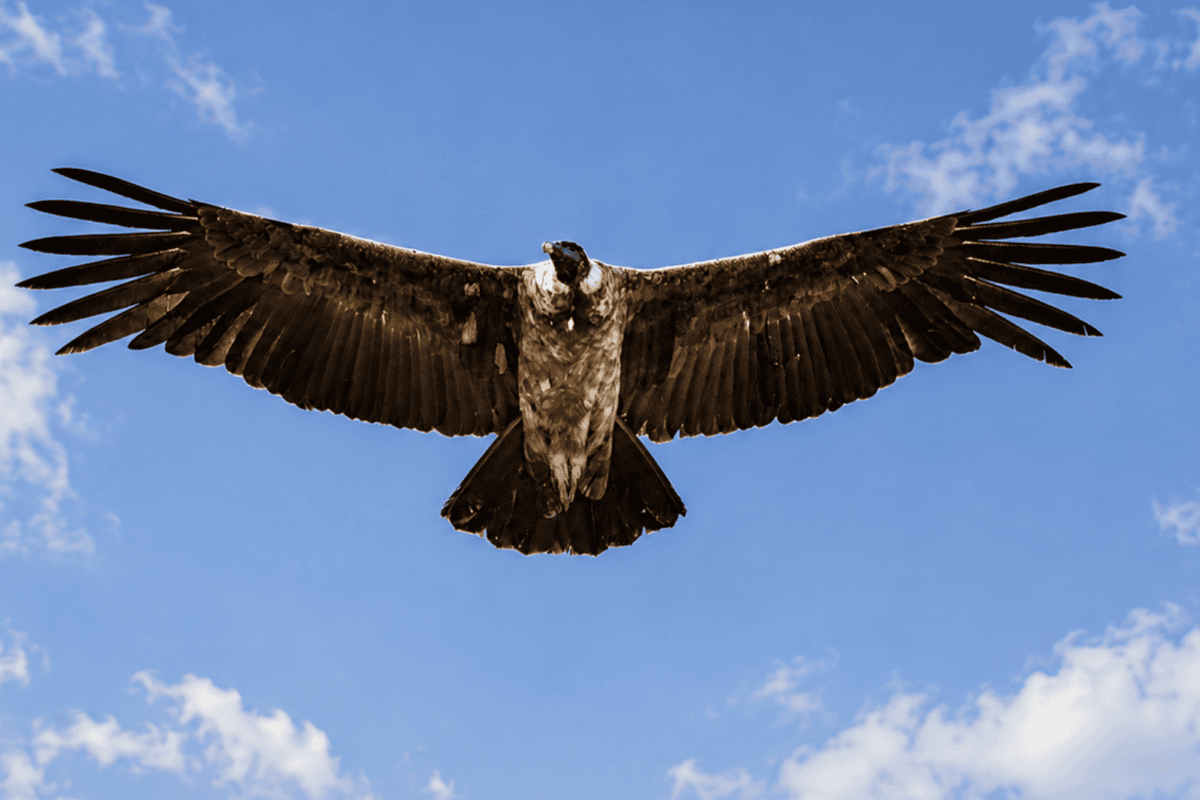
Bannerafbeelding: Andescondor. ©Envato
Vrouwen stellen een toekomst veilig bij poema’s in de Andes
Opmerking: transcripties worden door machines en mensen gegenereerd en lichtjes aangepast voor nauwkeurigheid. Ze kunnen fouten bevatten.
I used to hear many stories from the elders

about the condor's connection to the witch, you know?

That it brought bad things.

Associated with myths and legends.

Sometimes, you would find your sheep had been killed,

and you would find a condor eating it — so you’d blame it.

That was how the conflict began.

These are estates inherited from great-great-grandparents

and passed down to the next generation;

they are handed down from generation to generation.

Ilika and Dasan fell very close to El Cerrito ...

The people who found them saw them on the ground, unable to fly.

Then they were taken there on a helicopter

and spent about two months receiving treatment.

And they were later released here in the same territory.

It's going to come out any moment now.

The condor is the one that cleans,

because it eats the decomposing meat;

it has the ability to prevent diseases and stop them from spreading.

In Colombia, the Andean condor is critically endangered.

This means that between 150 and 250 individuals remain in the entire country.

So it was within that context that we said: "No, we need to get organized."

More families had already joined.

The first thing you have to do is provide training on the animal's biology:

that it lacks (strong) claws and therefore cannot attack or snatch up livestock.

The condor is special because, first of all, it is the largest flying bird on the continent.

It represents an entire Andean community, ranging from Colombia —

specifically the Sierra Nevada de Santa Marta — down to Argentine and Chilean Patagonia.

Not integrating the communities into the conservation strategies

would delegitimize what they tell us: the attacks, the needs.

The goal is for the camera to

point toward the carrion, right?

The condors are very large, so it’s important not to place them too close.

Because then nothing will appear.

It is also important to keep the time in mind.

Look, there are quite a few here.

That’s a little silver fox, and they carry off the lambs at night.

They compete with the condor for food.

At first, we focused on improving livestock management,

for sheep and goats,

helping to build pens and install roofing.

Then we started fencing the pastures.

This is a juvenile.

This one is like Rafiki.

Look, it's already big.

We see them every day now, at any time,

and we have seen a significant presence of juveniles.

That means they are breeding here.

I think it’s ready.

(It angles) this way.

The young people of our generation —

at least those of us who know the condors, who have seen them —

well, we love them and want to protect them.

Last year, we had an influx of about 1,200 tourists over the course of the year.

Is this kind of an incubator?

An incubator.

That's great!

Oh, look, it's starting to move.

It's going to break out of its shell.

Oh! Look, look, look, look!

Has it cracked a little bit here? Yes!

Did you see it open its little beak there?

Oh poor little guy!

Oh, look how it's breathing.

They gave it a little stuffed animal!

Rafiki, the first condor born (under the program) in 2024,

along with Wayra and Ámbar, the two other young condors,

are currently isolated from humans and preparing for release into this páramo.

I love watching them fly because they look so free and happy.

Honestly, it gives me hope to see that

the process we’re carrying out is actually working.

And hopefully all those areas where the condor flies

have that same affection for the condor and respect it, you know?